⚠️Visitors to our site are often searching for information because they, their friend, or a family member has unfortunately fallen into use of dangerous substances. If you or a loved one is struggling with substance abuse and looking for drug rehab, please call us for help, we can verify if your insurance qualifies for medically assisted care.⚠️
Don’t hesitate to call our admissions department at (855) 855-9593 or click the button below to get substance abuse help for yourself or a loved one.
TL;DR
Heroin is one of the most addictive and destructive opioids on the planet. Heroin detox — the medically supervised process of clearing the drug from your body while managing withdrawal — is the critical first step toward lasting recovery. Withdrawal is intense but manageable with professional support. Evidence-based heroin addiction treatment, including medication-assisted therapy and behavioral counseling, gives people a genuine path forward. Help is available right now, 24/7.

What is Heroin?
Heroin is an illegal, highly addictive opioid derived from morphine, a naturally occurring compound extracted from the seed pod of the opium poppy plant. According to the National Institute on Drug Abuse, heroin binds rapidly to opioid receptors in the brain, triggering a powerful euphoric rush — and, in time, a dependency that reshapes the entire neurological landscape of reward and pain.
The drug goes by many names on the street. Common heroin nicknames and slang terms for heroin include smack, dope, horse, mud, brown sugar, and junk. Street names for heroin like “boy,” “H,” and “black tar” are widely used, which is why knowing the other names for heroin can be critical for families trying to recognize a problem before it spirals. These heroin slang names shift regionally, but the drug’s danger doesn’t.
Worth noting: heroin is increasingly laced with fentanyl — a synthetic opioid up to 100 times more potent than morphine — without users’ knowledge. That combination has transformed what was already a deadly drug into something even more unpredictable.
What Does Heroin Look Like?
Heroin’s appearance varies depending on how and where it’s produced. Pure heroin typically presents as a fine white powder. More commonly, though, street heroin is found in off-white or brown powder form — hence slang names like “brown” or “brown sugar.” Black tar heroin, predominantly produced in Mexico and common on the West Coast, is dark, sticky, and tar-like in consistency.
Regardless of form, all types carry the same catastrophic risks. The color may differ; the destruction doesn’t.
How is Heroin Used?
Heroin can be snorted, smoked, or injected directly into a vein. Injection delivers the fastest, most intense high and is associated with the most severe rates of heroin addiction and health complications. Snorting and smoking carry lower — but still very real — risks.
There is no safe route of administration. Even first-time use of heroin can trigger dependence, particularly when fentanyl is present. Understanding how heroin enters the body helps explain why heroin detox is such a medically significant process: the body adapts to the drug quickly, and reversing that adaptation safely requires professional intervention.
What are the Short- and Long-Term Effects of Heroin?
Short-Term Effects
According to NIDA’s research on the immediate effects of heroin use, the drug produces an intense rush of euphoria within seconds of use, followed by a heavy, sedated state. Short-term effects include:
- Intense euphoria and warmth
- Slowed breathing and heart rate
- Dry mouth and heavy limbs
- Nausea and vomiting
- Severe itching
- Clouded mental function and nodding in and out of consciousness
Long-Term Effects
The long-term effects of heroin use are even more alarming. Repeated use fundamentally rewires the brain’s reward circuitry, eroding white matter that governs decision-making, stress response, and behavioral control. Moreover, long-term physical consequences accumulate rapidly:
- Severe physical dependence and heroin addiction
- Collapsed veins from repeated injection
- Liver and kidney disease
- Infection of the heart lining (endocarditis)
- Elevated risk of HIV and hepatitis C from shared needles
- Chronic pneumonia and pulmonary disease
- Persistent insomnia and hormonal disruption
| Category | Short-Term Effects | Long-Term Effects |
|---|---|---|
| Brain & Mood | Euphoria, sedation, impaired cognition | White matter damage, mood disorders, impaired decision-making |
| Cardiovascular | Slowed heart rate | Endocarditis, collapsed veins |
| Respiratory | Shallow, slowed breathing | Chronic pneumonia, respiratory infections |
| Digestive | Nausea, vomiting | Constipation, intestinal damage |
| Immune System | Temporary suppression | HIV risk, hepatitis C, chronic infections |
Additional Heroin Risks
Beyond the documented health effects, heroin carries compounding dangers that are easy to underestimate. The CDC’s overdose prevention resources highlight that fentanyl contamination of the heroin supply is now widespread — meaning a familiar dose can suddenly become a fatal one.
Shared needles remain a leading driver of HIV and hepatitis C transmission in the United States. Additionally, the psychological toll of heroin addiction — depression, severe anxiety, social isolation — compounds the physical damage and makes professional heroin detox and comprehensive heroin addiction treatment all the more essential.
As for how long heroin stays in your system: the drug itself metabolizes quickly, typically clearing urine within 2–3 days. However, physical dependence develops far faster than the drug exits the body — which is exactly what makes heroin detox such a critical and carefully managed process.
Can Someone Overdose on Heroin?
Absolutely — and it happens with devastating frequency. A heroin overdose occurs when the drug suppresses the central nervous system to the point of respiratory failure. The opioid crisis has claimed hundreds of thousands of American lives, and heroin remains a significant contributor.
Signs of a heroin overdose include:
- Slow, shallow, or stopped breathing
- Blue or purple lips and fingertips
- Unresponsiveness or loss of consciousness
- Pinpoint pupils
- Gurgling or choking sounds
- Pale, clammy skin
If you witness any of these signs, call 911 immediately. Every second counts.
How Can a Heroin Overdose be Treated?
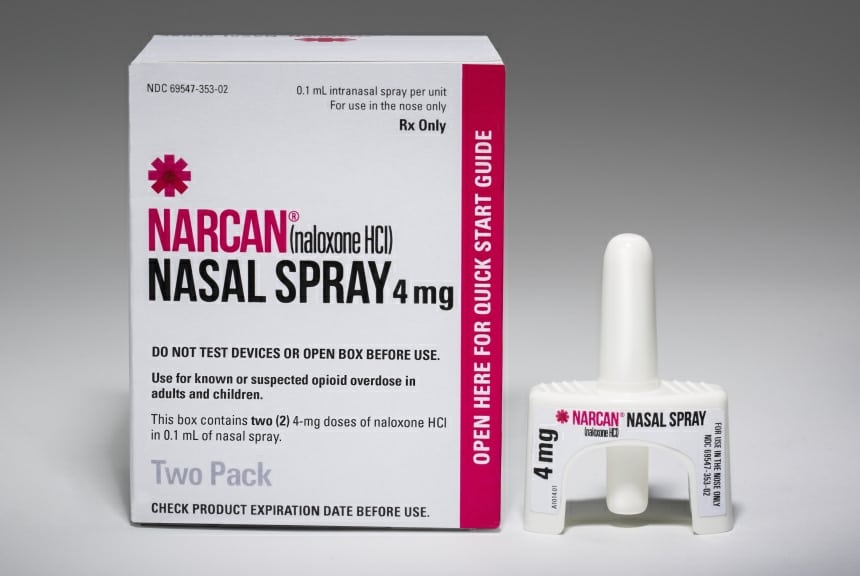
Naloxone — sold under the brand name Narcan — is a fast-acting opioid antagonist that can reverse a heroin overdose almost immediately when administered in time. It works by displacing heroin from opioid receptors and restoring normal breathing. Today, naloxone is available without a prescription at most pharmacies across the country.
Because fentanyl-laced heroin is so potent, multiple doses of naloxone are often needed. Therefore, even after naloxone is given, emergency services must still be called — the person needs sustained monitoring and medical care.
For many people, a near-overdose becomes the turning point. It’s often the moment that opens the door to heroin detox and professional treatment. When that moment comes, knowing where to turn matters enormously.
Heroin Addiction, Withdrawal, and Detox
Understanding Heroin Addiction
Heroin addiction — clinically known as opioid use disorder (OUD) — is a chronic, relapsing brain disease characterized by compulsive drug seeking despite severe consequences. According to NIDA’s research on heroin, the brain’s reward system becomes so recalibrated around the drug that ordinary pleasures feel dull by comparison, and functioning without heroin feels impossible. This isn’t weakness — it’s neurochemistry.
Heroin Withdrawal Symptoms
When someone stops using heroin after a period of regular use, heroin withdrawal symptoms emerge — typically within 6–24 hours of the last dose. Heroin withdrawal is notoriously brutal, and it’s one of the primary reasons people struggle to quit without clinical support. Symptoms include:
- Intense drug cravings
- Severe muscle aches and restless leg syndrome
- Nausea, vomiting, and diarrhea
- Anxiety, agitation, and panic
- Cold sweats, chills, and goosebumps
- Elevated heart rate and blood pressure
- Insomnia and deep fatigue
- Depression and emotional instability
The acute heroin withdrawal timeline typically peaks at 48–72 hours and begins to resolve within 5–7 days. However, psychological symptoms — cravings, depression, difficulty sleeping — can persist for weeks or months in what’s known as post-acute withdrawal syndrome (PAWS).
What is Heroin Detox?
Heroin detox is the medically supervised process of allowing the body to eliminate heroin and its metabolites while managing withdrawal symptoms safely. Attempting to detox alone — “cold turkey” — is both dangerous and far less likely to succeed. At a professional heroin detox center, clinicians use evidence-based medications and around-the-clock monitoring to stabilize the body and ease the transition.
Heroin detox is not a cure in itself. Rather, it’s the essential first chapter of a longer recovery story — clearing the runway so that real healing can begin.
Heroin Addiction Treatment
According to NIDA’s treatment resources for heroin use disorder, a combination of medication and behavioral therapy produces the best outcomes for heroin addiction treatment. No single protocol works for everyone, which is why individualized assessment and treatment planning are so important.
Medication-Assisted Treatment (MAT)
| Medication | How It Works | Administration |
|---|---|---|
| Methadone | Reduces cravings and withdrawal symptoms | Daily clinic visits |
| Buprenorphine (Suboxone) | Partially activates opioid receptors, reducing cravings | Prescribed by certified providers |
| Naltrexone (Vivitrol) | Blocks opioid effects entirely | Monthly injection or daily pill |
Behavioral Therapies
Effective heroin addiction treatment also incorporates:
- Cognitive Behavioral Therapy (CBT) — identifies and rewires drug-related thought patterns
- Contingency Management — uses positive reinforcement to encourage sustained sobriety
- Motivational Enhancement Therapy — builds internal drive for change
- Group therapy and 12-step programs — foster community and accountability
- Family therapy — repairs relationships fractured by addiction
Furthermore, the most effective heroin rehab programs offer a full continuum of care: from heroin detox, to residential inpatient treatment, to partial hospitalization (PHP), to intensive outpatient (IOP), to ongoing aftercare. Each level builds on the last, giving people the sustained support that long-term recovery requires.

Finding Treatment at Golden Road Recovery
Recovery from heroin is not a distant possibility — it’s a daily reality for thousands of people who found the right support at the right time. At Golden Road Recovery, we’ve built a comprehensive heroin addiction treatment center around one foundational belief: that every person deserves a compassionate, individualized path to healing.
Our programs span the full continuum — medically supervised heroin detox, residential inpatient care, PHP, IOP, and outpatient aftercare. Additionally, our clinical team specializes in dual diagnosis treatment, addressing co-occurring mental health conditions like depression, anxiety, and trauma alongside heroin addiction. Because for most people, heroin didn’t emerge in a vacuum — and genuine recovery addresses the whole person, not just the drug.
Whether you’re searching for a heroin detox center, a heroin rehab program, or heroin addiction treatment near you, Golden Road Recovery is here — not just as a facility, but as a partner in the most important journey of your life. You don’t have to do this alone. Contact us today to speak with a compassionate admissions specialist and take that first step.
Frequently Asked Questions About Heroin Detox
1. How long does heroin detox take? The acute phase of heroin detox typically lasts 5–10 days, with withdrawal symptoms peaking around 48–72 hours after the last use. Psychological symptoms — cravings, anxiety, depression — can persist for weeks to months, which is why continuing into a structured heroin rehab program after detox is so important.
2. Is heroin detox safe to do at home? Attempting heroin detox without medical supervision is both dangerous and significantly less effective. A professional heroin detox center provides 24/7 medical monitoring, FDA-approved medications to manage withdrawal severity, and psychological support throughout the process. Going cold turkey alone dramatically increases the risk of severe complications and relapse.
3. What medications are used during heroin detox? Clinicians commonly use buprenorphine (Suboxone), methadone, and clonidine during heroin detox to reduce withdrawal intensity and cravings. The specific protocol is tailored to each individual’s medical history and level of dependence. After heroin detox, many patients transition to longer-term medication-assisted treatment as part of their ongoing heroin addiction treatment plan.
4. Can heroin withdrawal be fatal? While heroin withdrawal is rarely fatal in otherwise healthy adults, it carries real risks — particularly severe dehydration from vomiting and diarrhea, dangerous elevations in blood pressure and heart rate, and the risk of aspiration. Additionally, relapse during or shortly after heroin detox is extremely dangerous, as tolerance drops rapidly and overdose risk spikes. This is precisely why medically supervised heroin detox saves lives.
5. What happens after heroin detox? Heroin detox is the beginning of recovery, not the end. After completing heroin detox, most people transition into a structured heroin rehab program — residential inpatient treatment, PHP, or IOP depending on individual needs. Ongoing therapy, peer support, and medication-assisted treatment work together to reduce relapse risk and help people build the routines, relationships, and coping skills that sustain long-term sobriety.
Sources
[1] Centers for Disease Control and Prevention. Heroin. CDC Overdose Prevention. — https://www.cdc.gov/overdose-prevention/about/heroin.html?CDC_AAref_Val=https://www.cdc.gov/opioids/basics/heroin.html
[2] National Institute on Drug Abuse. What is heroin? NIDA Research Reports. — https://nida.nih.gov/publications/research-reports/heroin/what-heroin
[3] National Institute on Drug Abuse. Heroin. NIDA Drugs A to Z. — https://nida.nih.gov/research-topics/drugs-a-to-z#heroin
[4] National Institute on Drug Abuse. What are the immediate (short-term) effects of heroin use? NIDA Research Reports. — https://nida.nih.gov/publications/research-reports/heroin/what-are-immediate-short-term-effects-heroin-use
[5] National Institute on Drug Abuse. What are the long-term effects of heroin use? NIDA Research Reports. — https://nida.nih.gov/publications/research-reports/heroin/what-are-long-term-effects-heroin-use
[6] National Institute on Drug Abuse. What are the medical complications of chronic heroin use? NIDA Research Reports. — https://nida.nih.gov/publications/research-reports/heroin/what-are-medical-complications-chronic-heroin-use
[7] National Institute on Drug Abuse. What are treatments for heroin use disorder? NIDA Research Reports. — https://nida.nih.gov/publications/research-reports/heroin/what-are-treatments-heroin-use-disorder