⚠️Visitors to our site are often searching for information because they, their friend, or a family member has unfortunately fallen into use of dangerous substances. If you or a loved one is struggling with substance abuse and looking for drug rehab, please call us for help, we can verify if your insurance qualifies for medically assisted care.⚠️
Don’t hesitate to call our admissions department at (855) 855-9593 or click the button below to get substance abuse help for yourself or a loved one.
TL;DR
Prescription drug addiction doesn’t discriminate — it can develop in weeks, sometimes less, depending on the drug, dosage, and the person taking it. This article breaks down how and why prescription drug addiction forms, which medications carry the highest risk, and how treatment at Golden Road Recovery can help you or someone you love find a way forward.
Introduction

There’s a quiet assumption most people carry: that a doctor’s prescription means a drug is safe. And often, it is — when used exactly as directed. But prescription drug addiction is one of the most misunderstood public health crises in America, precisely because it begins in the most ordinary of places: a pharmacy counter, a post-surgery follow-up, a routine refill.
Understanding how quickly dependence can develop isn’t alarmism. It’s knowledge that could change — or save — your life.
How Do People Get Addicted to Prescription Drugs?
Prescription drug addiction typically begins with a legitimate medical need. You’re prescribed opioids after an injury, a benzodiazepine for anxiety, or a stimulant for ADHD. Initially, the medication works exactly as intended. Over time, however, your brain begins to adapt.
That adaptation is where the danger lives. Repeated exposure to certain prescription medications causes the brain’s reward system to recalibrate. Dopamine — the chemical responsible for pleasure and motivation — becomes increasingly tied to the drug itself. As tolerance builds, you need more of the prescribed medication to feel the same effect, and without it, you start to feel notably worse. [1][2]
This neurological shift is not a moral failing. It is, quite literally, brain chemistry responding to a substance. According to the National Institute on Drug Abuse, prescription drug misuse — defined as taking a medication in a way other than prescribed, taking someone else’s prescription, or using it to get high — is one of the most widespread substance use issues in the United States. [3]
The timeline for this to unfold varies. With opioids, physical dependence can begin within just a few days of consistent use. With benzodiazepines, it may take several weeks. Stimulants like Adderall, meanwhile, can create psychological dependence that sneaks up on you before you realize what’s happened.
Why Do People Get Addicted to Prescription Drugs?
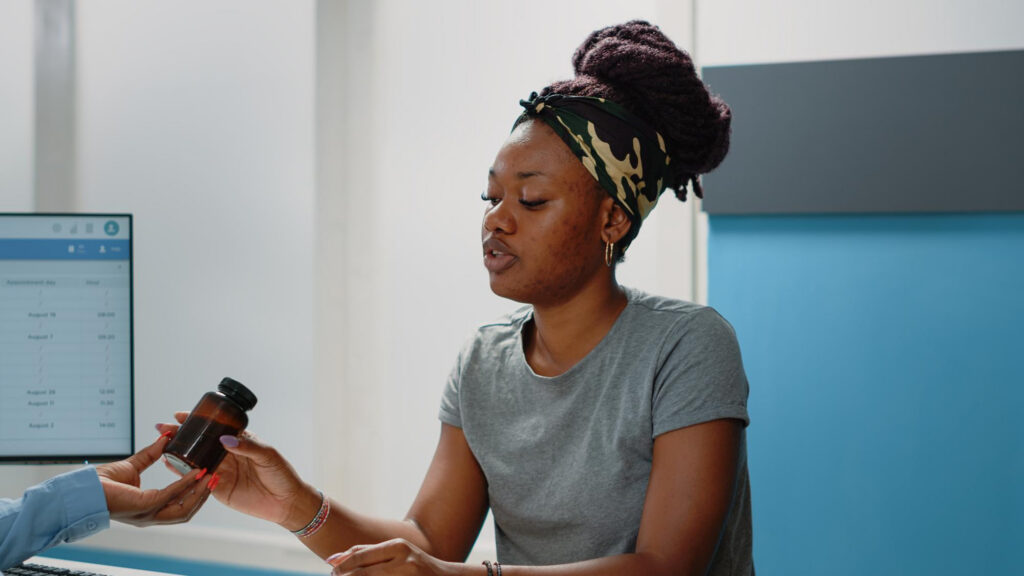
The question of why prescription drug addiction develops isn’t just about the drug — it’s about the person, the circumstance, and the environment.
Several factors elevate the risk:
- Genetic predisposition. Research consistently shows that addiction runs in families. If a close relative has struggled with substance use disorder, your neurological vulnerability is meaningfully higher.
- Mental health conditions. Anxiety, depression, PTSD, and trauma are strongly correlated with prescription drug addiction. Many people begin self-medicating with prescribed medications before the misuse escalates.
- Chronic pain. Long-term pain management involving opioids creates one of the most difficult balancing acts in modern medicine. The line between therapeutic use and prescription drug abuse is, for many patients, an invisible one they don’t realize they’ve crossed.
- Social environment. Peer pressure, availability, and household norms around medication use all play a measurable role.
- Age. Adolescents and young adults are particularly susceptible because their brains are still developing, making them more sensitive to the rewiring effects of addictive substances.
Additionally, certain medications carry a higher biological potential for dependence than others. Opioids, benzodiazepines, and stimulants are the three most commonly abused prescription drugs in the U.S. — not because people are reckless, but because these medications interact powerfully with the brain’s reward circuitry. [4]
Are All Prescription Drugs Addictive?
The short answer: no. But the longer answer is more nuanced — and more important.
Not all prescription medications carry a significant risk of addiction. Antibiotics, blood pressure medications, and cholesterol-lowering drugs, for example, do not produce the kind of reward-system stimulation that leads to dependence. However, three categories of prescription drugs are responsible for the overwhelming majority of prescription drug addiction cases:
| Drug Category | Common Examples | Primary Risk |
|---|---|---|
| Opioids | OxyContin, Vicodin, Percocet | Physical dependence, overdose risk |
| Benzodiazepines | Xanax, Valium, Klonopin | Rapid tolerance, dangerous withdrawal |
| Stimulants | Adderall, Ritalin, Concerta | Psychological dependence, cardiovascular risk |
These prescribed medications are heavily regulated for a reason. The U.S. Department of Justice has long classified many of them as Schedule II or Schedule IV controlled substances — meaning the federal government officially recognizes their potential for prescription drug abuse. [5]
That said, even medications not traditionally considered addictive can be misused. Muscle relaxants, sleep aids, and certain antidepressants are all subject to medication misuse when taken in higher doses, more frequently, or in ways outside the intended use. The key distinction between misuse and addiction is pattern and compulsion: addiction involves a loss of control over use, despite clear negative consequences.
How Easy Is It to Get Addicted to Prescription Drugs?
Alarmingly easy — and that’s not hyperbole. Studies cited by the CDC indicate that a significant percentage of individuals who are prescribed opioids for just five days or more show early markers of long-term use, a recognized stepping stone toward prescription drug addiction. [2]
The social accessibility of these medications compounds the problem. Many people obtain prescription drugs not from a doctor, but from a friend, family member, or acquaintance who shares their medication. Taking someone else’s prescribed medication is not only illegal — it dramatically increases the risk of adverse effects, overdose, and addiction, because dosing is calibrated to the original patient’s biology, not yours.
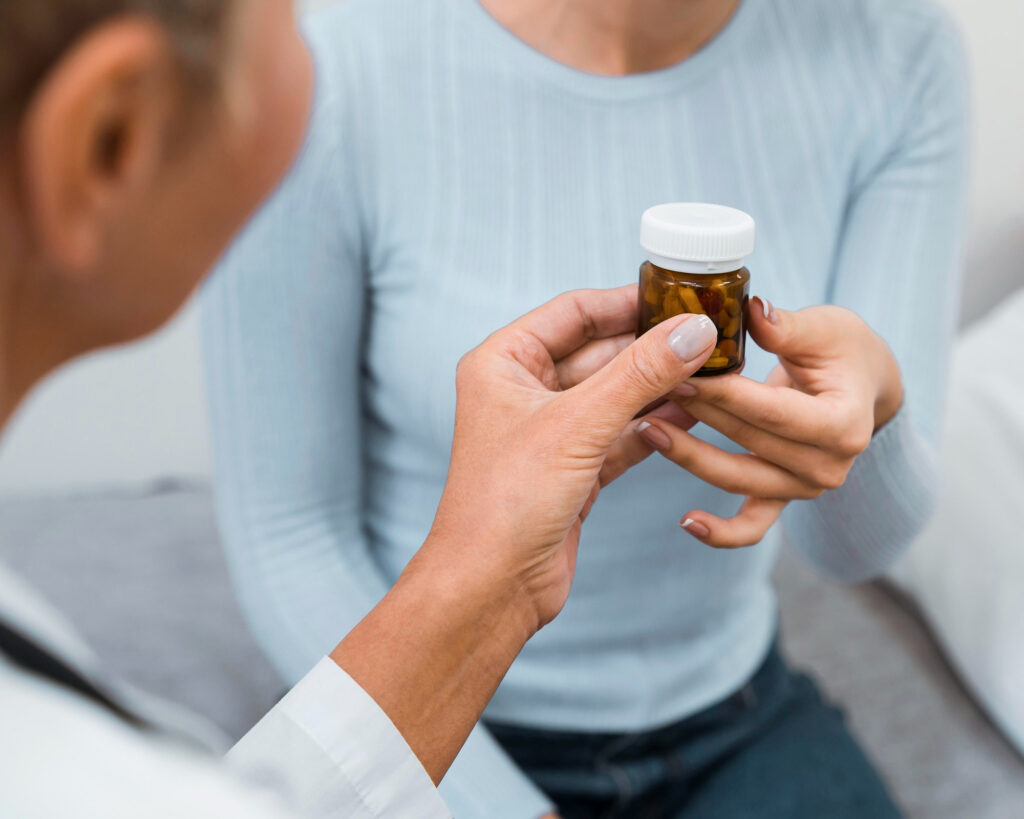
Moreover, the Surgeon General’s Report on Addiction and Substance Misuse notes that prescription drug misuse often escalates in ways that feel gradual and rational to the person experiencing it. [6] You take an extra pill because the pain came back. You take two instead of one because one stopped working. You feel anxious without it. Each step feels justified in the moment — and that’s precisely what makes prescription drug addiction so insidious.
Warning Signs of Prescription Drug Addiction
The symptoms of prescription drug addiction to watch for include:
- Taking more of a prescribed medication than directed
- Continuing use after the medical reason for the prescription has resolved
- Feeling unable to get through the day without the medication
- Seeking multiple prescriptions from different doctors (“doctor shopping”)
- Experiencing mood swings, secrecy, or withdrawal when the drug is unavailable
- Neglecting responsibilities, relationships, or health as a result of drug use
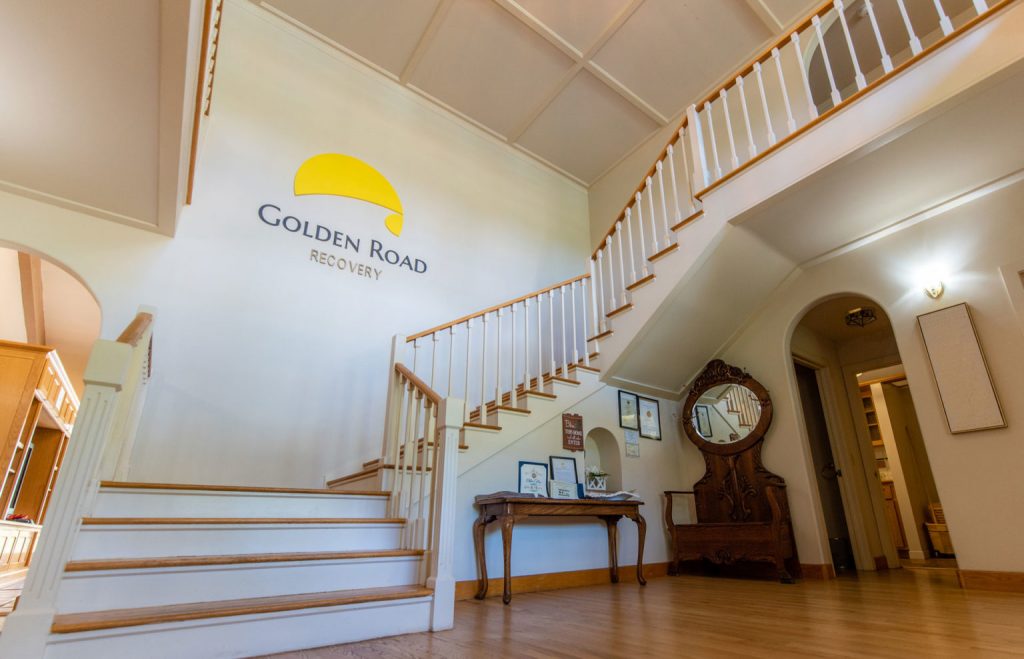
Finding Treatment at Golden Road Recovery
Recognizing prescription drug addiction in yourself or someone you love is the hardest step — everything after it is about support, structure, and science. That’s where Golden Road Recovery comes in.
Located in Los Angeles, Golden Road Recovery offers comprehensive, evidence-based prescription drug addiction treatment tailored to where you are right now. Their programs include medically supervised detoxification to manage withdrawal safely, residential and outpatient care levels that meet you where your life allows, individual and group therapy rooted in cognitive behavioral approaches, and dual diagnosis treatment for those managing co-occurring mental health conditions alongside addiction.
Prescription drug addiction treatment isn’t one-size-fits-all, and Golden Road Recovery is built around that reality. Whether you’re dealing with opioid dependence, benzodiazepine withdrawal, or stimulant misuse, their clinical team develops individualized treatment plans grounded in the latest evidence and delivered with genuine human care.
Recovery from prescription drug addiction is not only possible — it’s happening every day, for people who felt exactly where you might be feeling right now. You don’t have to navigate this alone, and you don’t have to figure out the next step by yourself.
Contact us today. The call that changes everything might be easier to make than you think.
Frequently Asked Questions
The timeline varies by drug class. Opioids can produce physical dependence in as few as three to five days of regular use. Benzodiazepines may take two to four weeks. Stimulants tend to create psychological dependence over a longer period, but the risk is still significant with continued misuse.
Drug misuse refers to using a medication in any way other than intended — taking a higher dose, using it without a prescription, or using it recreationally. Prescription drug addiction is a more complex condition involving compulsive use, loss of control, and continued use despite harmful consequences. Misuse can lead to addiction, but not all misuse becomes addiction.
Yes. Prescription drug addiction can develop even when a medication is taken exactly as prescribed, particularly with opioids and benzodiazepines. The brain’s adaptation to these substances doesn’t distinguish between prescribed and recreational use.
The three most commonly abused prescription medications in the United States are opioid pain relievers (such as oxycodone and hydrocodone), central nervous system depressants like benzodiazepines, and stimulants prescribed for ADHD. All three are controlled substances due to their high potential for prescription drug abuse.
Effective prescription drug addiction treatment typically begins with medically supervised detox, followed by behavioral therapies, peer support, and — where appropriate — medication-assisted treatment. Facilities like Golden Road Recovery offer all levels of care, from residential programs to outpatient treatment, with individualized plans built around each person’s specific needs.
Sources
[1] National Institute on Drug Abuse. (2020). Misuse of Prescription Drugs Research Report. U.S. Department of Health and Human Services. — https://nida.nih.gov/sites/default/files/rxreportfinalprint.pdf
[2] Centers for Disease Control and Prevention, National Center for Health Statistics. (2023). Prescription Drug Use in the United States. — https://www.cdc.gov/nchs/hus/topics/rx-drug-use.htm
[3] Office of Disease Prevention and Health Promotion. (2024). Misuse of Prescription Drugs – Evidence-Based Resources. U.S. Department of Health and Human Services. — https://odphp.health.gov/healthypeople/tools-action/browse-evidence-based-resources/misuse-prescription-drugs-research-report
[4] National Drug Intelligence Center. (2002). Prescription Drug Abuse and Diversion. U.S. Department of Justice. — https://www.justice.gov/archive/ndic/pubs5/5140/index.htm
[5] U.S. Department of Health and Human Services, Office of the Surgeon General. (2016). Facing Addiction in America: The Surgeon General’s Report on Alcohol, Drugs, and Health. — https://www.hhs.gov/surgeongeneral/reports-and-publications/addiction-and-substance-misuse/index.html
[6] Drug Enforcement Administration. (2022). Prescription Drug Abuse. GetSmartAboutDrugs.gov. — https://www.getsmartaboutdrugs.gov/content/prescription-drug-abuse