⚠️Visitors to our site are often searching for information because they, their friend, or a family member has unfortunately fallen into use of dangerous substances. If you or a loved one is struggling with substance abuse and looking for drug rehab, please call us for help, we can verify if your insurance qualifies for medically assisted care.⚠️
Don’t hesitate to call our admissions department at (855) 855-9593 or click the button below to get substance abuse help for yourself or a loved one.
TL;DR
Snorting heroin delivers the drug rapidly through the nasal membranes into the bloodstream, producing a fast-acting high that comes with devastating consequences. From nasal tissue destruction and overdose risk to rapid physical dependence, snorting heroin is every bit as dangerous as injecting it — and just as addictive. If you or someone you love is using heroin in any form, evidence-based treatment is available and recovery is possible.
Introduction
Snorting heroin is often mistakenly viewed as the “safer” route of administration — a way to experience the drug without the needles, the track marks, or the stigma. That assumption is dangerously wrong. Whether you inhale it, inject it, or smoke it, heroin hijacks your brain’s reward system with ruthless efficiency. Understanding exactly what snorting heroin does to the body is critical — not just for the person using, but for anyone who loves them.

What is Heroin?
Heroin is an illegal opioid synthesized from morphine, a naturally occurring substance extracted from the seed pod of the opium poppy plant. According to the Drug Enforcement Administration, heroin is classified as a Schedule I controlled substance — meaning it has no accepted medical use and a high potential for abuse.
Once heroin enters the body, it converts back into morphine and binds to opioid receptors in the brain and central nervous system. The result is an intense euphoric rush, followed by a prolonged state of sedation. Tolerance builds quickly, and that’s precisely where the danger begins. MedlinePlus notes that heroin use can rapidly lead to physical and psychological dependence.
What Does Heroin Look Like?
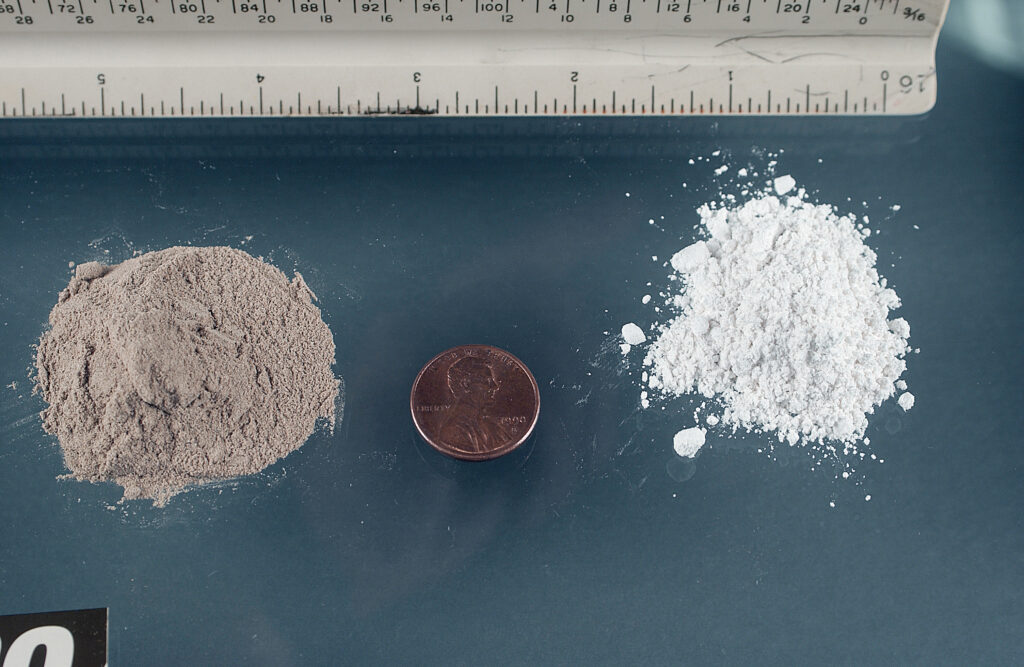
Heroin isn’t one-size-fits-all in its appearance — and knowing what it looks like matters.
| Type | Appearance | Common Method |
|---|---|---|
| White powder heroin | Fine white or off-white powder | Snorting, injecting |
| Brown powder heroin | Tan to light brown powder | Snorting, injecting |
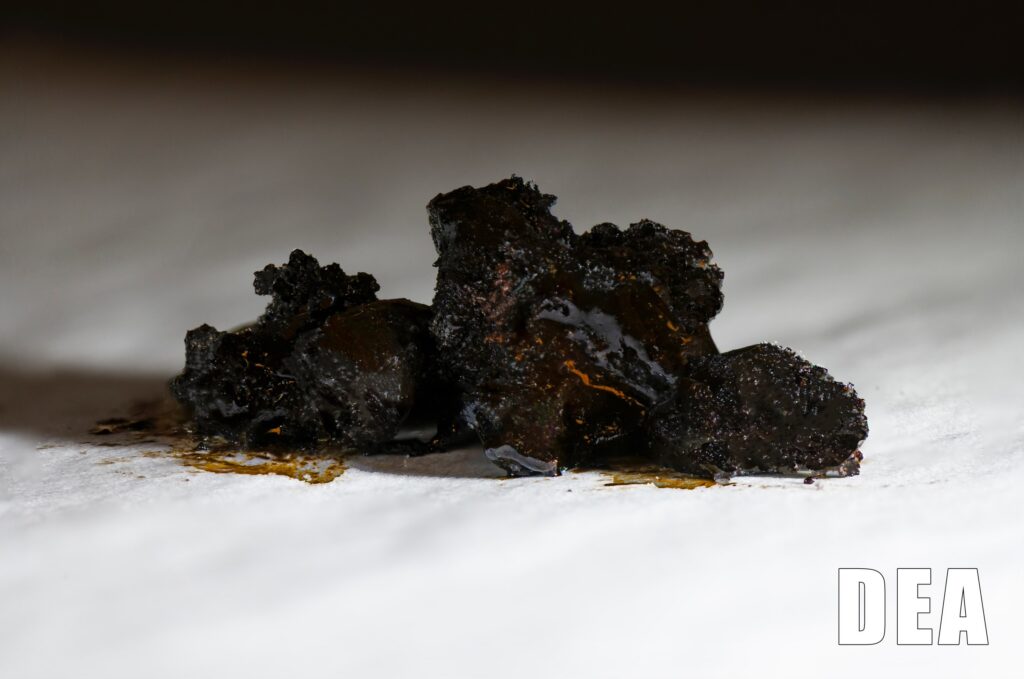
| Black tar heroin | Dark, sticky, tar-like substance | Injecting, smoking |
White and brown powder forms are the varieties most commonly associated with snorting heroin. Black tar heroin, by contrast, is thicker and more difficult to insufflate — though some people still attempt it, compounding the risks significantly. According to the National Drug Intelligence Center, the purity and composition of street heroin varies widely, making every use a game of chemical roulette.
How is Heroin Used?
Heroin can be administered in several ways, each carrying its own specific risk profile:
- Injecting – intravenous (IV), intramuscular, or subcutaneous
- Snorting heroin – insufflation through the nasal passage
- Sniffing heroin – similar to snorting, using smaller amounts
- Smoking – heating the substance and inhaling the vapor
- Oral ingestion – swallowing, though less common
Snorting heroin became more prevalent as high-purity powder heroin flooded markets in the 1990s. Many users initially prefer snorting because it feels less extreme than injecting. Over time, however, tolerance forces escalation — and that escalation often leads directly to the needle.
How Snorting Heroin Affects the Body
When you snort heroin, the drug is absorbed through the mucous membranes lining the nasal cavity and enters the bloodstream. From there, it crosses the blood-brain barrier with alarming speed. The onset is typically faster than oral consumption but slightly slower than intravenous injection — usually kicking in within 3 to 5 minutes.
Once in the brain, heroin converts to morphine and floods the brain’s opioid receptors, triggering a surge of dopamine. That flood is what creates the euphoric rush. However, it’s also what begins the process of neurological rewiring that leads to dependence.
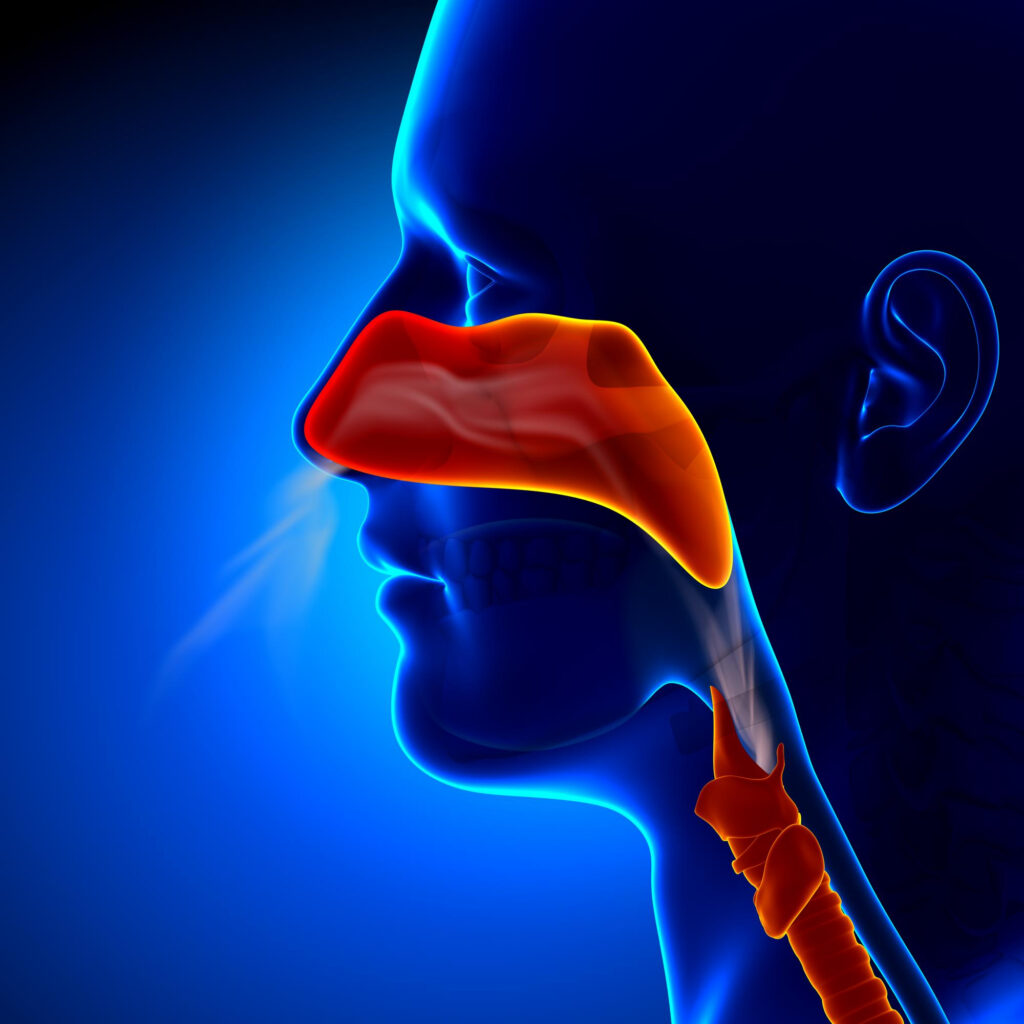
Chronic snorting heroin leads to progressive destruction of the nasal tissues. According to NIDA, long-term heroin use can cause a perforated nasal septum, chronic sinusitis, and loss of smell.
What Are the Effects of Snorting Heroin?
The effects of snorting heroin fall into two categories: the immediate effects that draw people in, and the downstream consequences that define the true cost.
Immediate effects include:
- Intense euphoria and warmth
- Heaviness in the extremities
- Slowed breathing
- Dry mouth and flushing
- Clouded mental function
- Nausea and vomiting
Short-to-medium term effects include:
- Nasal congestion and frequent nosebleeds
- Deterioration of the nasal septum
- Loss of smell (anosmia)
- Chronic sinus infections
- Insomnia and mood instability
The way snorting heroin feels is often described as a wave of warmth and calm that washes over the body — seductive in the moment, catastrophic in the long run. A PubMed study examining routes of heroin administration found that individuals who snorted heroin frequently transitioned to injection as tolerance increased, underscoring how progression of use is nearly inevitable.
Risks of Snorting Heroin
Beyond the nasal damage, snorting heroin carries a constellation of serious health risks that extend throughout the body.
Physical risks:
- Nasal septum perforation
- Chronic respiratory infections
- Hepatitis C transmission (via shared snorting equipment)
- Cardiovascular strain
- Severe constipation and gastrointestinal complications
- Collapsed nasal passages
Psychological and behavioral risks:
- Rapid development of psychological dependence
- Increased impulsivity and risk-taking behavior
- Depression and anxiety between uses
- Social isolation and deteriorating relationships
Furthermore, heroin is increasingly laced with fentanyl and other synthetic opioids, making every instance of snorting heroin a potential encounter with a substance many times more potent than expected. The DEA warns that the presence of adulterants in street heroin has dramatically raised the overdose risk in recent years.

Can You Overdose Snorting Heroin?
Absolutely — and the risk is significant. A common misconception is that snorting heroin reduces overdose risk compared to injecting. While it’s true that the onset is slightly slower, snorting heroin still delivers enough of the drug to suppress respiration to fatal levels.
Heroin Overdose Risk
Heroin overdose occurs when the drug depresses the central nervous system to the point where breathing slows or stops entirely. The risk escalates when:
- Heroin is mixed with alcohol, benzodiazepines, or other depressants
- Fentanyl is present in the supply (which is increasingly common)
- The person uses alone with no one to respond
- Tolerance has dropped after a period of abstinence
Signs of a heroin overdose include:
- Unconsciousness or unresponsiveness
- Pinpoint (very small) pupils
- Slow, shallow, or stopped breathing
- Blue or grayish lips and fingernails (cyanosis)
- Gurgling or choking sounds
If you suspect an overdose, call 911 immediately. Naloxone (Narcan) can rapidly reverse a heroin overdose and is available without a prescription in most states.
Signs of Snorting Heroin
Recognizing the behavioral and physical signs of snorting heroin can be life-saving — whether you’re concerned about yourself or someone you love.
Physical signs:
- Frequent sniffling or runny nose
- Nosebleeds without clear cause
- Red, raw, or irritated nostrils
- Traces of powder around the nose
- Small rolled papers or straws nearby
Behavioral signs:
- Withdrawal from family and friends
- Dramatic mood swings
- Financial problems or unexplained money issues
- Neglecting responsibilities at work, school, or home
- Nodding off at unusual times
Heroin withdrawal symptoms — including intense muscle aches, anxiety, sweating, and insomnia — often emerge within hours of the last use, creating a relentless cycle that makes stopping feel impossible without professional help.
Heroin Addiction Treatment
Snorting heroin doesn’t make someone “less addicted” than a person who injects. The neurological changes heroin causes are route-agnostic — the brain doesn’t distinguish how the drug arrived. What matters is what happens next.
Effective heroin addiction treatment typically includes a combination of:
- Medical detoxification – safely managing withdrawal under clinical supervision
- Medication-Assisted Treatment (MAT) – using FDA-approved medications like methadone, buprenorphine, or naltrexone to reduce cravings and prevent relapse
- Behavioral therapies – including Cognitive Behavioral Therapy (CBT) and Contingency Management
- Residential or inpatient treatment – providing a structured environment for focused recovery
- Aftercare planning – building a sustainable support system for long-term sobriety
According to NIDA, heroin use disorder is a chronic condition that responds well to treatment. Recovery isn’t a matter of willpower — it’s a matter of getting the right clinical support.

Finding Treatment at Golden Road Recovery
Snorting heroin creates a grip that tightens with every use — but it doesn’t have to define your future. At Golden Road Recovery, we provide compassionate, evidence-based care for individuals ready to reclaim their lives from heroin addiction. Our programs are designed to meet you exactly where you are, from medically supervised detox through residential treatment and beyond.
You don’t have to figure this out alone. Whether you’re personally struggling with snorting heroin or watching someone you love disappear into addiction, real help is closer than you think. Contact us today — our team is available around the clock to answer your questions and help you take the first step toward recovery.
Frequently Asked Questions
1. Is snorting heroin safer than injecting it? No. While snorting heroin avoids the risk of needle-related infections like HIV or hepatitis B, it is not safer overall. It still causes rapid physical dependence, severe nasal damage, and carries a significant overdose risk — especially given the prevalence of fentanyl-laced supply.
2. What does snorting heroin feel like? Most people describe snorting heroin as producing an initial nasal burning sensation followed by a wave of intense warmth, euphoria, and drowsiness. The high from snorting heroin typically sets in within a few minutes and lasts several hours.
3. Can you get addicted from snorting heroin just once? Physical addiction typically develops with repeated use, but a single instance of snorting heroin can trigger powerful psychological craving. Dependence often develops rapidly — within days to weeks of regular use.
4. How long do heroin withdrawal symptoms last? Heroin withdrawal symptoms generally begin within 6–12 hours after the last use, peak around 36–72 hours, and typically resolve within a week. However, psychological symptoms like cravings and mood disturbances can persist for months.
5. Can you snort black tar heroin? Black tar heroin is a sticky, dense form of the drug that is difficult to insufflate. While some individuals attempt snorting or sniffing this variety, it is more commonly smoked or injected. Attempting to snort black tar heroin can cause severe nasal blockage and tissue damage.
Sources
[1] National Drug Intelligence Center. (2003). Heroin Drug Threat Assessment. U.S. Department of Justice. – https://www.justice.gov/archive/ndic/pubs3/3843/3843p.pdf
[2] Drug Enforcement Administration. (n.d.). Heroin Fact Sheet. DEA. – https://www.dea.gov/factsheets/heroin
[3] MedlinePlus. (n.d.). Heroin. U.S. National Library of Medicine. – https://medlineplus.gov/heroin.html
[4] Strang, J., et al. (2004). Loss of tolerance and overdose mortality after inpatient opiate detoxification: follow up study. BMJ, 326(7396). – https://pubmed.ncbi.nlm.nih.gov/15040924/
[5] National Institute on Drug Abuse. (n.d.). What are the medical complications of chronic heroin use? NIDA. – https://nida.nih.gov/publications/research-reports/heroin/what-are-medical-complications-chronic-heroin-use
[6] National Institute on Drug Abuse. (n.d.). What is heroin and how is it used? NIDA. – https://nida.nih.gov/publications/research-reports/heroin/what-heroin